










Share


-
 Laura Hodges
 -
 25 March, 2026
The Characteristics of Effective Teaching and Learning are a vital part of the EYFS, yet they are often overlooked in favour of more visible outcomes. They describe how children learn, not what they learn. These characteristics include playing and exploring, active learning, and creating and thinking critically. They are not separate activities but behaviours that can be seen throughout the day.
Active learning
In everyday practice, playing and exploring might look like a child investigating materials, trying new ideas or asking questions. Active learning is visible when children concentrate, persevere and feel proud of their achievements. Creating and thinking critically involves problem-solving, making connections and developing ideas.
This can be seen when children adapt a plan, change their approach or explain their thinking. Practitioners sometimes miss these moments because they are focused on next steps or outcomes. However, recognising and supporting these characteristics helps children become confident, independent learners.
Best practices
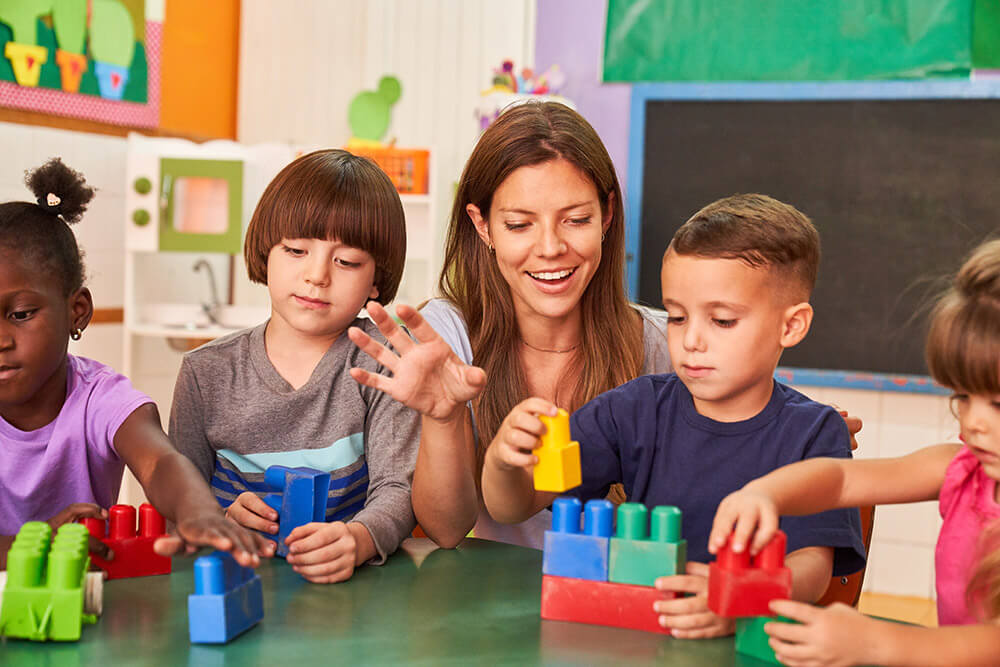
Best practice involves observing how children engage, not just what they produce. A child deeply involved in building with blocks may be demonstrating all three characteristics, even if there is no final product. Supporting these behaviours means allowing time, space and freedom. Over-directing activities can limit opportunities for deep learning. Instead, practitioners should offer guidance, encouragement and thoughtful questions.
Inspection frameworks increasingly value this approach, recognising that strong learning behaviours support long-term success. By revisiting the Characteristics of Effective Teaching and Learning, settings can strengthen practice and ensure children are truly at the centre of their learning journey.
Observation challenge
Next time you observe, write down how the child is learning before noting what they are learning.
If you are looking for practical support with recruitment, workforce development or early years apprenticeships, get in touch with one of our experts by clicking here.
Looking for a career working in schools?
If you’ve been inspired by the story and you’re ready to gain new skills, start your journey today with Realise.
Discover our courses