












Share


-
 Laura Hodges
 -
 22 June, 2026
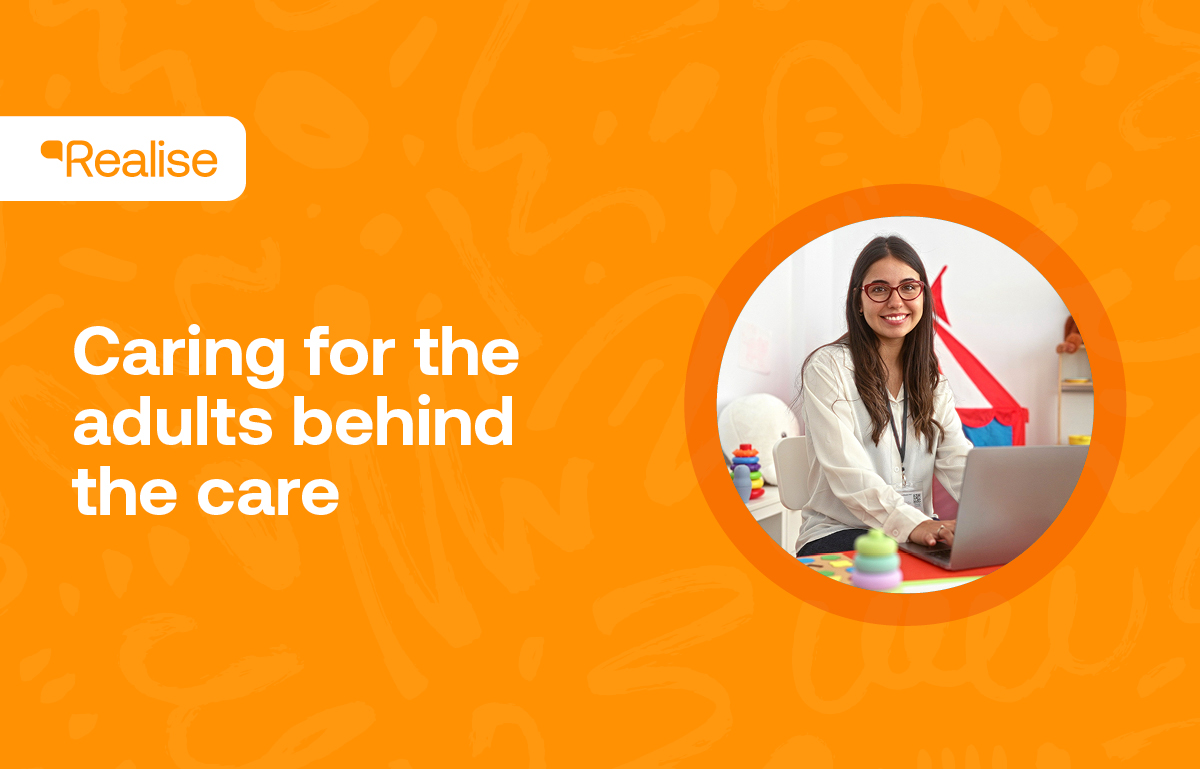
Early years professionals give a great deal of themselves each day. They comfort, guide, teach and inspire young children while managing routines, expectations and responsibilities. Without space to reflect and recharge, this emotional labour can take its toll.
Wellbeing is not just about avoiding burnout. It is about creating environments where staff feel supported, respected and able to grow. When practitioners feel well, children benefit too. Calm, confident adults create secure learning spaces.
Reflection is a powerful tool for wellbeing. Taking time to talk about what is working and what is challenging helps teams feel connected and valued. Reflection does not need to be formal. Simple conversations at the end of the day or during team meetings can help staff process experiences and share ideas.
Supportive leadership plays a crucial role. Leaders who listen, acknowledge effort and encourage balance help set a positive tone. Celebrating small successes and showing appreciation can lift morale more than people realise.
Boundaries are also important. Encouraging staff to rest, take breaks and disconnect outside of work supports long-term health and commitment. By embedding wellbeing and reflection into daily routines, early years settings can become places where both children and adults thrive.
Wellbeing reminder: Sometimes the most powerful support is permission – permission to pause, to talk, or to admit something feels hard.
Looking for a career working in schools?
If you’ve been inspired by the story and you’re ready to gain new skills, start your journey today with Realise.
Discover our courses