












Share


-
 Laura Hodges
 -
 13 May, 2026
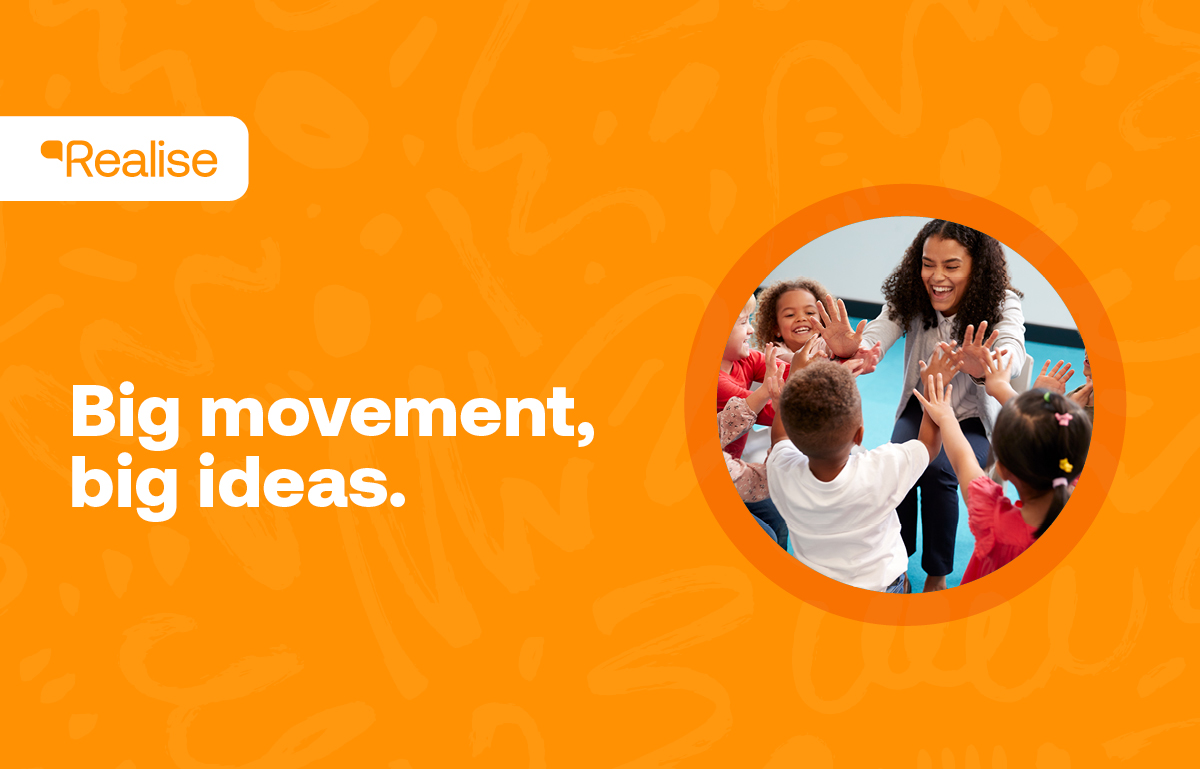
Writing and mark making are two separate areas within the Early Years Foundation Stage (EYFS), yet they are deeply connected through children’s physical development, creativity and overall readiness to write. Understanding how these areas interlink is essential if we are to support children effectively, without rushing or placing unrealistic expectations on them.
Writing begins with gross motor movement
Writing does not begin with holding a pencil and writing a name. It begins much earlier, with gross motor movement. Large movements such as crawling, climbing, pushing, pulling and throwing help children build strength in their shoulders, arms and core. These muscles provide the stability needed for the smaller, more refined movements of the hands and fingers. Without this physical foundation, writing can become tiring, uncomfortable and frustrating for young children.
Mark making plays a vital role in this journey. When children make marks using paint, chalk, water, sand or natural materials, they are practising control, coordination and experimentation without pressure. These early marks may be big, sweeping movements or repeated patterns. Both are important. They allow children to explore how their bodies move and how tools leave marks, long before letters are formed.
Creativity is central to this process. In expressive art and design, children use mark making to share ideas, feelings and stories. There is no right or wrong outcome. This freedom supports confidence and motivation, which are just as important as physical skill. A child who feels confident to create is more likely to engage positively with writing later on.
Activities contribute to a child's developement
As children develop, their movements gradually become more controlled. Gross motor skills are refined into fine motor development, such as using fingers independently, applying pressure and coordinating hand–eye movements. Activities like threading, using clay, tearing paper, building with small blocks and using tools all contribute to this development. Writing is one of many outcomes of strong fine motor skills, not the starting point.
Exposure to written text also supports this journey. Seeing adults write for real purposes, noticing labels, signs, books and marks around the environment helps children understand that writing carries meaning. This understanding often comes before physical readiness to write. Children may “read” their own marks or explain what they have drawn, showing early writing behaviours even when letter formation is not yet appropriate.
Know when to support
Timing in the early years is crucial. Children develop at different rates, and writing should never be rushed. When children are pushed to write before they are physically ready, it can lead to poor posture, weak pencil grip and negative attitudes towards writing. However, when a child shows interest, it is the adult’s role to support that interest in a developmentally appropriate way. This might mean offering chunky tools, vertical surfaces, short opportunities, or mark making alongside writing rather than formal tasks.
Best practice recognises that writing is a long developmental process, built through movement, creativity, exploration and meaningful experiences. By valuing mark making, supporting physical development and respecting each child’s age and stage, early years practitioners lay strong, confident foundations for writing that will last well beyond the early years.
Strong writers are built through movement, confidence and creativity long before pencils are expected.
If you are looking into gaining the knowledge and confidence to make a lasting impact in the first critical years of a child's life take a look at our course NCFE CACHE Level 3 Award in Working with Babies and Young Children (Under 2 Years).
Looking for a career working in schools?
If you’ve been inspired by the story and you’re ready to gain new skills, start your journey today with Realise.
Discover our courses